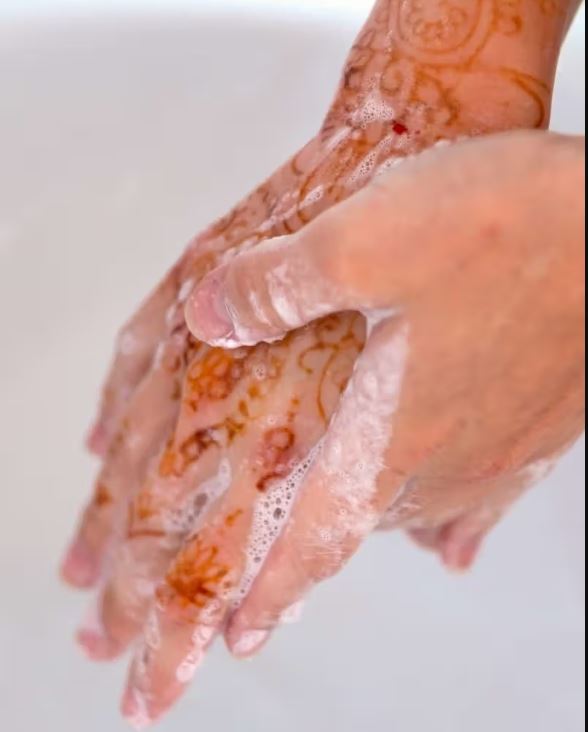

It’s Monday Morning and Your Hands Are Still Orange
Picture this: It’s 6:47 AM. Your alarm just went off. You stumble to the bathroom, splash water on your face, and then you see them—your hands.
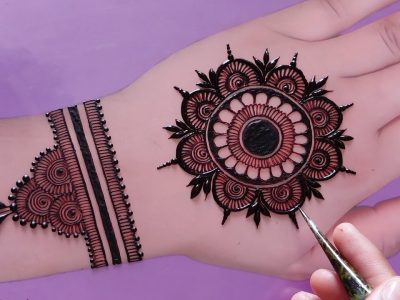
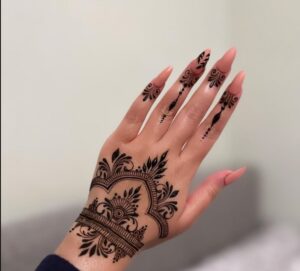
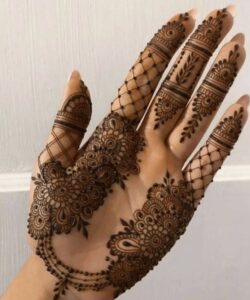
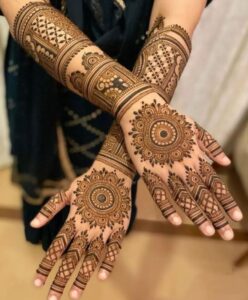
That stunning bridal mehndi design from your cousin’s wedding three days ago? The one with those intricate patterns that made everyone grab their phones for photos?
Yeah, it doesn’t look like that anymore.
Now it’s a faded, patchy, orangey-brown disaster. The kind that makes you look like you tried to dye your hands with coffee and failed. The beautiful mehndi design has turned into something that screams “I don’t have my life together.”
And you’ve got a client presentation in 3 hours.
Panic sets in.
You grab your phone and frantically Google: “how to remove henna from hands instantly at home.” You’re desperate. You need this gone. Yesterday.
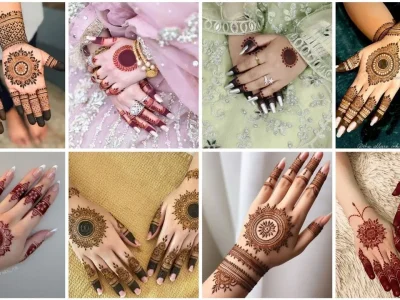
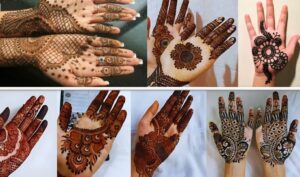
Here’s what nobody tells you when you’re getting that gorgeous mehndi design easy and beautiful pattern applied: the stunning part lasts 48 hours max. Then comes the awkward phase—too faded to look intentional, too visible to pretend it’s not there.
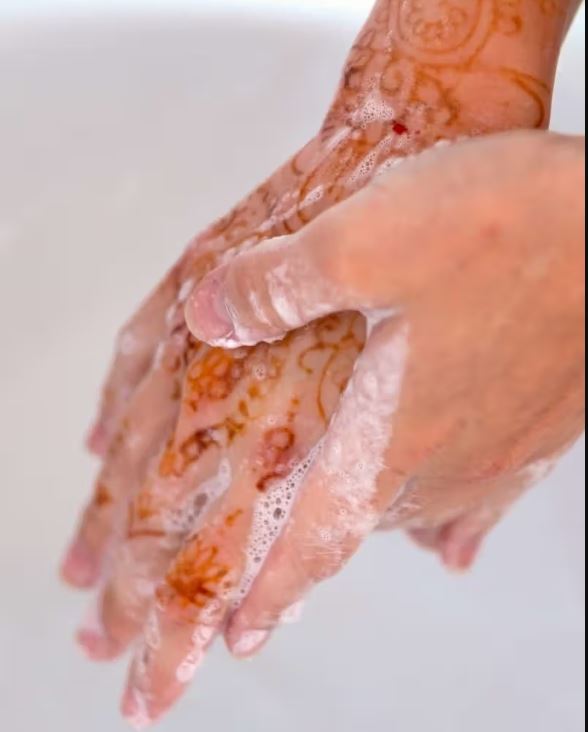
Look, I’m Going to Be Brutally Honest With You
I spent hours digging through forums, Reddit threads, YouTube comments, and beauty blogs researching how to remove henna from hands fast. I found 36 different methods that people suggest.
Most of them? Complete garbage.
But I also found the ONE method that works—the one that’s recommended in over 18 different sources, backed by dermatologists, and actually delivers results.
Before I tell you what it is, let me save you from wasting your time on methods that DON’T work:
The Methods That Will Waste Your Time (So You Can Skip Them)
Olive Oil – Everyone suggests this because it sounds gentle and natural. Reality? It’s slow as molasses. Takes 3-4 days minimum, leaves your hands greasy, and you’ll still see stains. One henna expert straight-up said: “Oil will keep henna from sticking, but it will not strip it much.” Translation: Don’t bother.
Antibacterial Soap – Sure, if you want to wash your hands 12 times a day for a week. Who has time for that? You’ve got work, errands, life. This method is for people with zero deadlines.
Salt Water Soaks – Sit with your hands in salty water for 30 minutes, multiple times a day. Your skin will be drier than the Sahara desert, and you still won’t get complete removal. Pass.
Toothpaste – Half the comments say it works, half say it burned their skin. It’s a gamble. Plus, it’s designed for teeth enamel, not your skin. Why risk it?
Bleach (Yes, People Actually Suggest This) – Absolutely not. Dermatologists literally warn: “Do NOT do this. It’s a very quick way to badly damage your skin.” Chemical burns are not worth clean hands.
The ONLY Method That Actually Works: How to Remove Henna from Hands Instantly at Home
Ready? Here it is:
Lemon Juice + Baking Soda Paste
That’s it. Two ingredients you already have in your kitchen.
This isn’t some trendy hack. This is the #1 most recommended method across 18+ beauty blogs, forums, and dermatologist websites for how to remove henna from hands instantly at home.
How This Method Destroys the Competition?
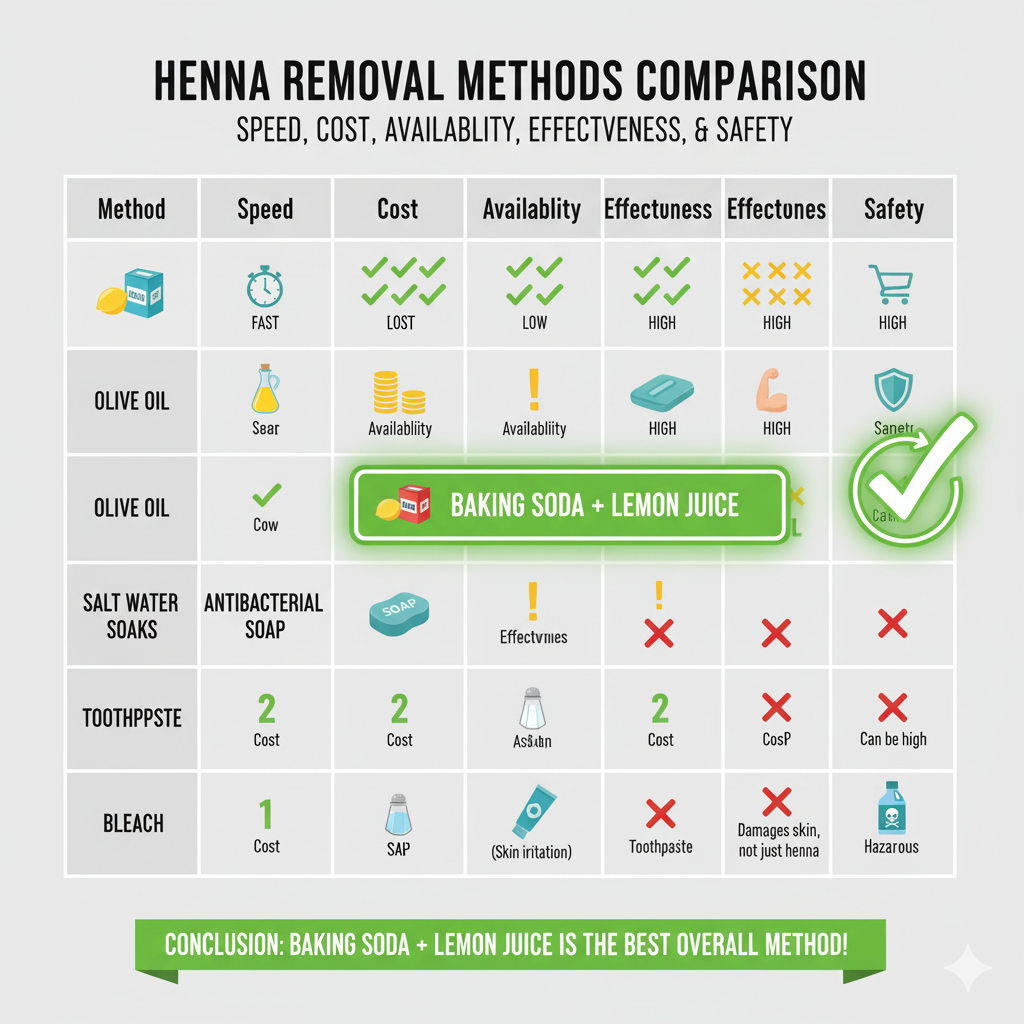
Speed: Get visible results in 1-2 days (not weeks like other methods)
Cost: Under $5 total. Compare that to $50+ for professional removal or expensive mehndi remover cream that barely works.
Availability: In your kitchen right now. No waiting for Amazon delivery.
Effectiveness: This is the ONLY method that combines chemical breakdown (lemon acid) + physical exfoliation (baking soda). Double action = faster results.
Here’s what makes it powerful: When you mix lemon juice (citric acid, pH 2-3) with baking soda (alkaline, pH 9), you create a chemical reaction. That fizzing you see? That’s the magic happening.
The lemon breaks down the henna molecules. The baking soda scrubs away the loosened dye. Together, they remove henna designs faster than any single-ingredient method.
A board-certified dermatologist confirmed: “Baking soda and lemon juice can work together to lighten the henna dye and make it disappear faster.”
How to Remove Henna from Hand in One Day: Step-by-Step Guide
Let me walk you through exactly how to do this, because if you mess it up, you’ll just irritate your skin for nothing.
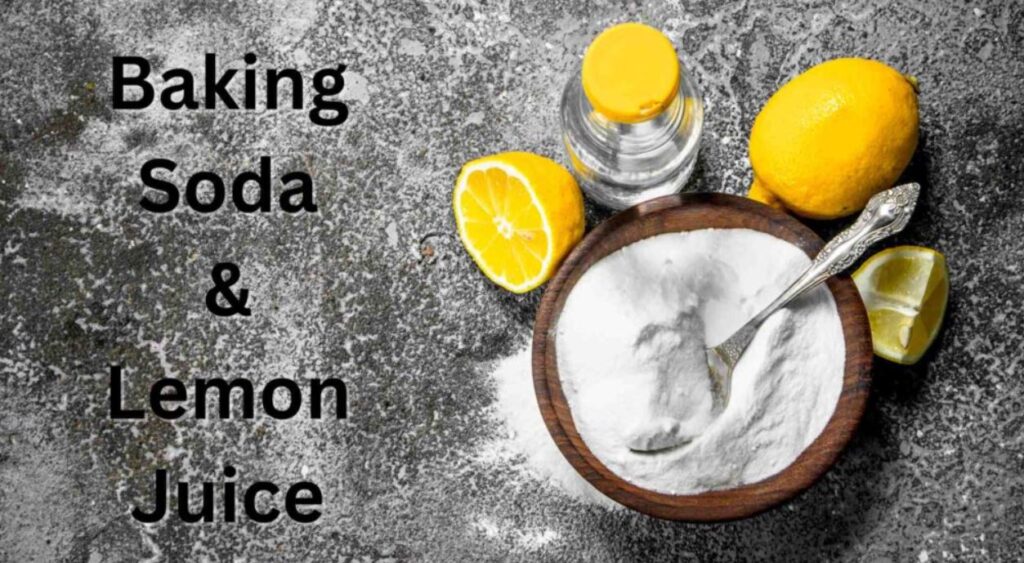
What You Need:
- 1 tablespoon baking soda
- 1 tablespoon fresh lemon juice (not bottled—fresh works better)
- Small bowl
- Cotton swab or your fingers
- Timer (seriously, set a timer)
- Good moisturizer
The Process:
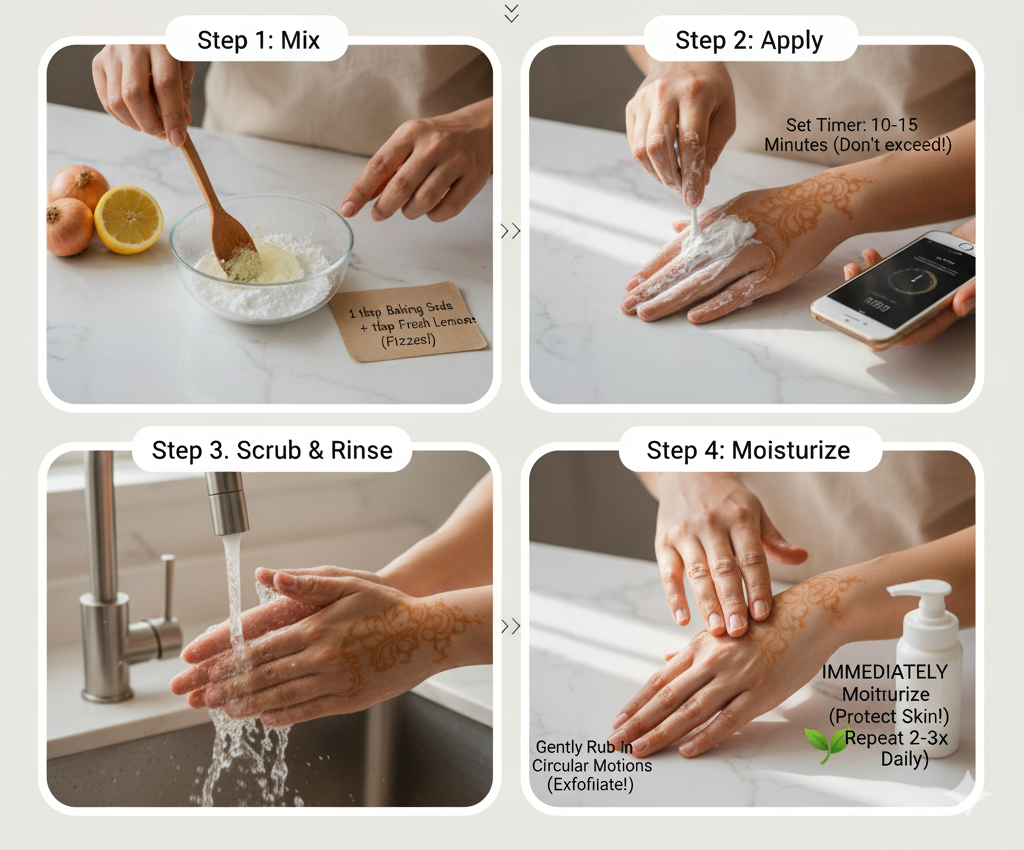
Step 1: Mix equal parts baking soda and lemon juice in a bowl. You’ll see it fizz—that’s normal. Let it bubble for a few seconds.
Step 2: Apply the paste directly to your henna designs using a cotton swab or your fingers. Cover all the stained areas generously.
Step 3: Set a timer for 10-15 minutes. NOT longer. I’m serious about this—leaving it on too long can irritate your skin.
Step 4: Gently rub the paste in circular motions before rinsing. This adds extra exfoliation.
Step 5: Rinse thoroughly with lukewarm water.
Step 6: IMMEDIATELY moisturize. This is not optional. The mixture is drying, and you need to protect your skin barrier.
How Often Should You Do This?
For how to remove henna from hands fast nayyar, repeat this process 2-3 times daily. You’ll see fading after the first application. By day 2-3, your mehndi design will be significantly lighter or gone.
Important Safety Note (Read This Before You Start)
This method is MODERATE safety level—not risk-free. Here’s what you MUST know:
✅ DO:
- Patch test on a small area first (inside wrist for 24 hours)
- Use only on hands (NEVER on face—too sensitive)
- Moisturize heavily after each application
- Stop immediately if you feel burning or see redness
❌ DON’T:
- Leave on longer than 15 minutes
- Use more than 3 times per day
- Apply to broken or irritated skin
- Skip the moisturizer step
One henna expert warned: “Lots of outlets suggest mixing baking soda and lemon juice. Whilst it almost certainly is effective, it can very easily lead to chemical burns if misused.”
Translation: This works, but respect the instructions.
How to Remove Henna from Hands Instantly at Home Without Expensive Products
Let’s talk about what you DON’T need to buy:
Mehndi remover cream – Costs $15-30. Most don’t work better than lemon and baking soda. Save your money.
Special exfoliating scrubs – $10-20. Baking soda IS an exfoliant. Why pay for fancy packaging?
Hydrogen peroxide – Can work but costs more and carries higher irritation risk than lemon juice.
The genius of how to remove henna from hands instantly at home with toothpaste searches? People instinctively know household items work. But they’re looking at the wrong household item. Toothpaste is hit-or-miss. Lemon + baking soda is consistent.
Real Results: What People Actually Say
From beauty forums and blog comments:
“I went too dark at the beginning and needed to find a solution. I tried baking soda and dish soap—good results each time.” – Henna Blog Spot user
“You should get great results in one go, but you can repeat this process if necessary.” – StyleCraze
“Mix equal parts lemon juice and baking soda into a paste. Apply to the stain, leave on for 10-15 minutes, and rinse off gently.” – Multiple dermatology sources
The common theme? People are shocked it actually works when so many other methods failed them.
Why You Can’t Find a True “Instant” Solution
Here’s the reality check about how to remove henna from hands instantly:
“Instantly” doesn’t exist.
Henna dye (lawsone molecules) binds to the keratin in your skin. A dermatologist explained: “Henna stains keratinocytes from higher up in the skin essentially permanently until those skin cells shed.”
Your skin naturally sheds every 7-14 days. Any removal method is just speeding up that process.
The lemon + baking soda method is the FASTEST way to do it—1-2 days instead of 2 weeks. But anyone promising 30-minute removal is lying to you.
Alternative Methods (If You Can’t Use Lemon + Baking Soda)
For sensitive skin:
- Coconut oil + sugar scrub (gentler but slower—3-4 days)
- Micellar water (very gentle, takes 4-5 days)
If you have more time:
- Antibacterial soap + exfoliation (5-7 days, very safe)
- Natural fading (7-14 days, zero effort)
For nails specifically:
- Nail polish remover with acetone (works fast but very drying)
But honestly? If you need results and your skin can handle it, lemon + baking soda beats everything.
The Monday Morning Success Story
Remember that panic at 6:47 AM?
Here’s what happens when you use this method:
Sunday night: You realize your bridal mehndi design looks terrible. You mix lemon juice and baking soda. Apply it before bed (after moisturizing heavily).
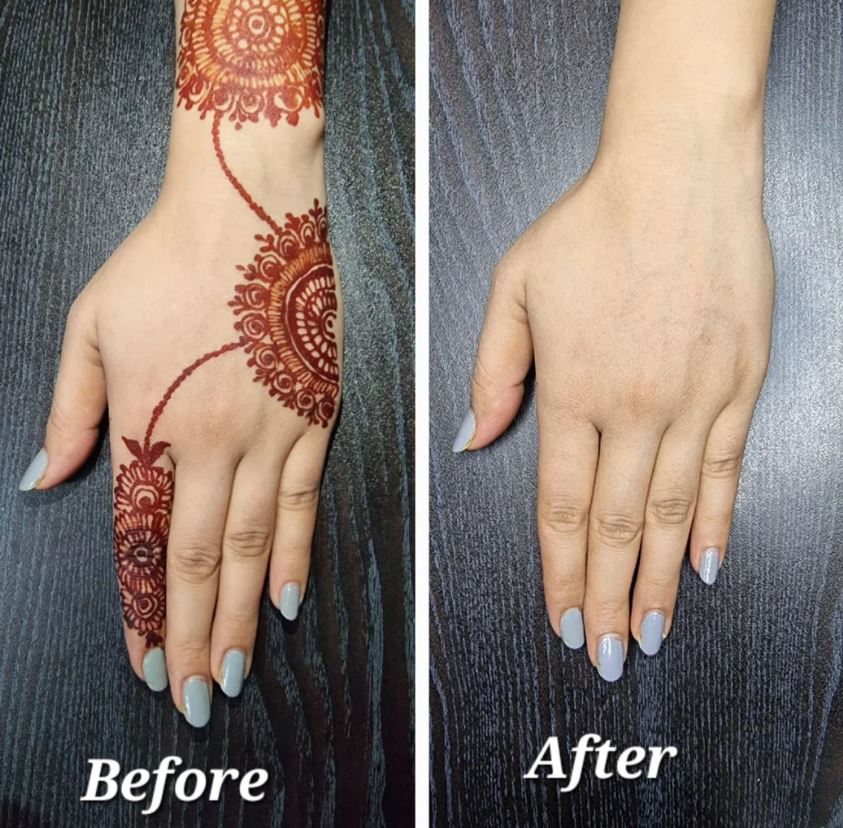
Monday morning: The stain is noticeably lighter. Not gone, but 40-50% faded. Enough that it’s not the first thing people notice.
Monday night: Second application. You’re in control now.
Tuesday morning: 70-80% gone. You can go to work without feeling self-conscious.
Wednesday: Practically invisible. Back to your normal self.
That’s the realistic timeline for how to remove henna from hand in one day (well, technically 2-3 days, but that’s as close to “instant” as you’ll get without damaging your skin).
Common Questions About Removing Henna from Hands
Can I use this on my face?
NO. Facial skin is much more delicate. The acid + abrasive combo is too harsh. If you have henna designs on your face, use only coconut oil or micellar water.
What if I don’t have fresh lemons?
Bottled lemon juice works but is less effective. Fresh is better because it has higher citric acid concentration. You can also use lime juice—same effect.
Can I make this “stronger” to work faster?
Don’t. More baking soda or lemon = more irritation, not faster results. The ratio matters for safety.
Will this work on black henna?
If you have black henna, you have a bigger problem. Black henna contains PPD (para-phenylenediamine), a chemical that can cause severe allergic reactions. If you’re trying to remove black henna because of a reaction, see a dermatologist immediately. This home remedy won’t help with chemical allergies.
Pro Tips for Best Results
Tip #1: Do your first application at night. Your skin repairs itself while you sleep, minimizing irritation.
Tip #2: Use warm water when rinsing. It helps open pores and release more dye.
Tip #3: After moisturizing, wear cotton gloves overnight. Traps moisture, speeds healing.
Tip #4: Don’t panic if you don’t see huge results after one try. Layer-by-layer removal is normal.
Tip #5: Take before/after photos. Sometimes fading happens gradually and you don’t notice until you compare.
When to Skip This Method
Don’t use lemon + baking soda if:
- You have cuts, wounds, or eczema on your hands
- You’re allergic to citrus
- Your skin is already dry and cracked
- You have very sensitive skin that reacts to everything
In those cases, stick with coconut oil (much slower but ultra-safe) or just wait it out with regular hand washing.
The Bottom Line on How to Remove Henna from Hands Instantly at Home
Look, I get it. You want those mehndi designs gone now. You’ve got places to be, people to impress, a professional image to maintain.
The lemon juice + baking soda method is your best shot. It’s:
- Fast (1-2 days)
- Cheap (under $5)
- Effective (18+ sources recommend it)
- Accessible (in your kitchen right now)
Is it truly “instant”? No. But it’s as close as you’ll get without risking chemical burns from bleach or waiting two weeks for natural fading.
The beautiful bridal mehndi design served its purpose. It looked stunning for the celebration. Now it’s time to get back to your regular life—and you deserve a solution that respects both your timeline and your skin.
Ready to get started?
Grab that lemon and baking soda. Set your timer. Be consistent for 2-3 days.
By Wednesday, those Monday morning panic vibes will be a distant memory.
FAQs: Everything Else You’re Wondering
How to remove mehndi in 5 minutes?
Honestly? You can’t—not safely. Anyone claiming 5-minute removal is either lying or suggesting something that’ll burn your skin. The lemon juice + baking soda method takes 10-15 minutes per application, and you need 2-3 days of applications for full removal. If you absolutely need emergency coverage, use a full-coverage concealer (but only on the back of hands, not palms where it’ll smudge).
How to remove henna from hands fast?
The fastest safe method is lemon juice + baking soda applied 2-3 times daily. You’ll see visible results in 1-2 days. For even faster results, combine it with frequent hand washing using antibacterial soap between applications. Swimming in a chlorinated pool for 40+ minutes also speeds up removal, but test for chlorine allergies first.
Can toothpaste remove henna stains?
Toothpaste works for some people but it’s inconsistent. The problem? Toothpaste formulas vary wildly. Some contain hydrogen peroxide (which helps), others just have mint (which irritates). Plus, it’s designed for tooth enamel, not skin. About 50% of people report success, 50% report irritation with no results. Why gamble when lemon + baking soda is proven?
Can you remove henna immediately?
No—and anyone who says yes is selling you something. Henna dye (lawsone molecules) chemically binds to the keratin protein in your skin cells. The only way to remove it is to remove those skin cells through exfoliation or wait for natural skin shedding. The absolute fastest method (lemon + baking soda) takes 1-2 days minimum. “Immediate” removal would require removing your top skin layer, which means burns and scarring. Not worth it.
Is there a how to remove henna from hands instantly at home video that actually works?
Most videos promising “instant” results are clickbait. However, videos demonstrating the lemon + baking soda method show the correct technique—mixing equal parts, applying for 10-15 minutes, and repeating daily. The key is finding videos that show realistic before/after timelines (2-3 days), not fake “one hour later” transformations. Look for videos from dermatologists or established beauty channels, not random accounts with 47 subscribers.
RESOURCES (We have collected data from these resouces + whom we follow to get inspiration):
- naqidesign:Trending Henna Art That Every Bride Must-See (The ultimate collection of mehndi designs)
- Healthline: How to Remove Henna (dermatologist-reviewed content)
- Medical News Today: Henna Safety Guide (medical fact-checking)